10 Strategies for Overcoming Meditation Challenges sets the stage for this enthralling narrative, offering readers a glimpse into a story that is rich in detail with bloomberg author style and brimming with originality from the outset.
Understanding the obstacles and finding ways to overcome them is key to mastering the art of meditation. Let’s delve into practical strategies that can help you navigate the challenges and enhance your practice.
Understand the Challenges
When it comes to meditation, there are several common obstacles that individuals often face on their journey towards inner peace and mindfulness. These challenges can vary from person to person, but some of the most prevalent ones include distractions, restlessness, difficulty in focusing, and feelings of discomfort.
Distractions During Meditation
One of the most common challenges during meditation is dealing with distractions. Whether it’s external noises, wandering thoughts, or physical discomfort, distractions can make it hard to stay focused and present. To overcome this, many practitioners recommend acknowledging the distraction without judgment and gently guiding your focus back to your breath or mantra.
Restlessness and Impatience, 10 Strategies for Overcoming Meditation Challenges
Feeling restless or impatient during meditation is another challenge that many people encounter. It’s natural for the mind to resist stillness, especially in our fast-paced world. To address this, some individuals find it helpful to start with shorter meditation sessions and gradually increase the duration as they build their practice. Patience and consistency are key in overcoming restlessness.
Difficulty in Focusing
Difficulty in focusing is a common obstacle that can arise during meditation. This can manifest as a racing mind or an inability to concentrate on the present moment. One strategy to combat this challenge is to use guided meditations or mindfulness techniques that help anchor your attention. With practice, you can train your mind to stay focused and present.
Feelings of Discomfort
Feeling physically or emotionally uncomfortable during meditation is another challenge that many practitioners face. Whether it’s discomfort in your posture, unresolved emotions surfacing, or simply feeling bored, these feelings can hinder your practice. It’s important to recognize these discomforts without judgment and explore ways to address them, such as adjusting your posture, journaling about your emotions, or simply accepting the feelings and letting them pass.
Establish a Consistent Practice
Consistency in meditation practice plays a crucial role in reaping the full benefits of this mindfulness technique. By establishing a regular routine, individuals can better overcome challenges and deepen their meditation experience.
Significance of Consistency
Maintaining a consistent meditation practice allows individuals to build a strong foundation for their mindfulness journey. Just like any other skill or habit, regular practice is essential for progress and improvement. Consistency helps in creating a sense of discipline and commitment towards meditation, enabling individuals to navigate through obstacles more effectively.
Creating a Conducive Environment
To ensure a consistent meditation practice, it is important to create a conducive environment that supports focus and relaxation. Designate a specific space in your home for meditation, free from distractions and clutter. Set a fixed time each day for your practice, integrating it into your daily routine. This dedicated space and time will reinforce the habit of meditation, making it easier to stick to your practice consistently.
Impact on Mental Resilience
Daily meditation has been linked to improved mental resilience, as it helps individuals develop a greater sense of calmness and clarity. By meditating regularly, individuals can enhance their ability to cope with stress, anxiety, and other challenges that may arise in their daily lives. The practice of meditation cultivates a resilient mindset, enabling individuals to face difficulties with a calm and composed demeanor.
Choose the Right Time and Place
When it comes to meditation, choosing the right time and place can significantly impact your practice. Creating a suitable environment for meditation can help enhance your focus, relaxation, and overall experience.Identify suitable times and locations for meditation:
- Consider practicing meditation during quiet times of the day when you are less likely to be disturbed, such as early morning or late evening.
- Choose a peaceful and comfortable spot in your home or outdoors where you can sit or lie down without distractions.
Explain how the environment can influence meditation experiences:
- A calm and quiet environment can promote relaxation and deeper concentration during meditation.
- Natural elements like plants, natural light, or fresh air can create a soothing atmosphere for your practice.
Strategies for Minimizing Distractions
- Avoid meditating in high-traffic areas or places with loud noises.
- Turn off electronic devices or put them on silent mode to minimize distractions.
- Use earplugs or headphones to block out external sounds if necessary.
Discuss the benefits of having a dedicated meditation space:
- Having a designated meditation space can signal your brain that it’s time for mindfulness and relaxation.
- It allows you to create a sacred space that is conducive to your meditation practice, making it easier to get into the right mindset.
Focus on Breath and Body Awareness
Breath and body awareness play a crucial role in overcoming challenges during meditation. By focusing on the breath and being aware of sensations in the body, practitioners can anchor themselves in the present moment and cultivate mindfulness.
Techniques for Improving Focus
- Start by taking a few deep breaths to center yourself and bring your attention to the present moment.
- Notice the sensation of the breath as it enters and leaves your body, focusing on the rise and fall of your chest or the feeling of air passing through your nostrils.
- If your mind starts to wander, gently guide your attention back to the breath without judgment.
- Engage in body scanning, where you systematically bring awareness to different parts of your body, releasing tension and promoting relaxation.
Personal Anecdotes
During a particularly stressful period, I found solace in focusing on my breath during meditation. By tuning into the rhythm of my breath, I was able to calm my mind and regain a sense of clarity and peace.
By incorporating body awareness into my practice, I discovered that I could release physical tension and connect more deeply with the present moment. This enhanced my overall meditation experience.
Connection between Breath Awareness and Mental Clarity
Focusing on the breath not only helps in cultivating mindfulness but also promotes mental clarity. By anchoring our attention to the breath, we can quiet the chatter of the mind, reduce distractions, and enhance our ability to stay present in the moment.
Practice Mindfulness

Mindfulness is the practice of being fully present and aware of your thoughts, feelings, sensations, and surroundings without judgment. It involves paying attention to the present moment and accepting it as it is. In meditation, mindfulness plays a crucial role in helping you stay focused, cultivate inner peace, and build resilience against distractions.
Mindfulness Exercises
- Body Scan: Start by focusing on each part of your body, from head to toe, noticing any sensations or tension. This exercise helps you connect with your body and relax deeply.
- Labeling Thoughts: When thoughts arise during meditation, simply label them as “thinking” without getting caught up in the content. This practice can help you detach from your thoughts and return to the present moment.
- Sensory Awareness: Engage your senses by noticing the sights, sounds, smells, tastes, and textures around you. This exercise enhances your awareness of the present moment and brings a sense of grounding.
Impact of Mindfulness
Mindfulness can help you overcome common meditation challenges such as wandering thoughts, restlessness, and lack of focus. By practicing mindfulness, you develop the ability to observe your thoughts without being carried away by them, leading to a deeper sense of calm and clarity.
Integration into Daily Activities
Examples of incorporating mindfulness into daily life include:
- Mindful Eating: Pay attention to the colors, textures, and flavors of your food while eating, savoring each bite mindfully.
- Mindful Walking: Focus on each step you take, the sensation of your feet touching the ground, and the movement of your body as you walk.
- Mindful Breathing: Take a few moments throughout the day to focus on your breath, noticing the rise and fall of your chest and the sensation of air entering and leaving your nostrils.
Cultivate Patience and Persistence
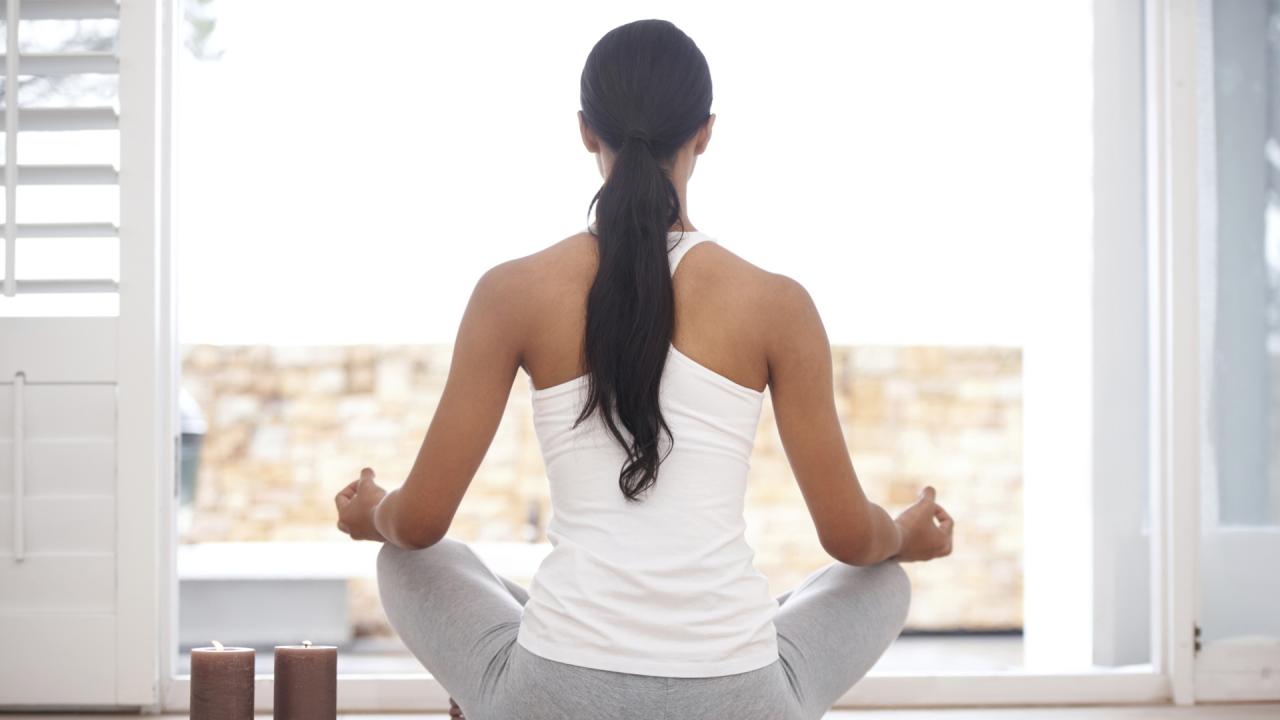
Patience and persistence are crucial qualities to develop when facing challenges in meditation. They allow practitioners to stay committed to their practice, even when it feels difficult or progress seems slow.
Value of Patience and Persistence
- Patience allows you to accept where you are in your meditation journey without judgment or frustration.
- Persistence helps you continue showing up on the cushion, even when distractions or discomfort arise.
Developing Patience during Challenging Sessions
- Focus on your breath and sensations to anchor yourself in the present moment.
- Remind yourself that progress in meditation is not linear and that each session contributes to your growth.
- Practice self-compassion and let go of expectations for immediate results.
Role of Persistence in Overcoming Resistance
- Consistent practice builds resilience and helps you push through resistance that may arise.
- By committing to your meditation practice, you create a habit that becomes easier to maintain over time.
Examples of Progress through Patience and Persistence
- Noticing a decrease in racing thoughts after weeks of consistent meditation practice.
- Feeling more at ease with discomfort or challenging emotions during meditation sessions.
- Experiencing moments of deep peace and clarity that come from continued dedication to the practice.
Seek Guidance and Support
Seeking guidance and support from experienced meditators can significantly enhance your meditation practice. These individuals have likely faced similar challenges and can offer valuable insights, techniques, and encouragement to help you overcome obstacles.
Benefits of Seeking Guidance from Experienced Meditators
- Receive personalized advice tailored to your specific meditation challenges.
- Learn from the wisdom and experience of those who have been practicing meditation for a longer period.
- Gain a deeper understanding of meditation techniques and principles.
- Feel motivated and inspired by the progress and success stories of others.
Resources for Finding Meditation Teachers or Groups
- Local meditation centers or studios often offer classes, workshops, and retreats led by experienced instructors.
- Online platforms like Insight Timer, Headspace, or local community forums can help you connect with meditation teachers or groups.
- Word of mouth recommendations from friends or family who have benefited from meditation guidance.
Impact of Community Support on Navigating Meditation Challenges
- Community support creates a sense of belonging and accountability, motivating you to stay consistent with your practice.
- Sharing experiences with others fosters a supportive environment where challenges can be openly discussed and solutions proposed.
- Community support reduces feelings of isolation and enhances overall well-being and mental health.
Tips for Building a Supportive Meditation Network
- Attend meditation classes, workshops, or retreats to connect with like-minded individuals.
- Join online meditation groups or forums to engage with a broader community of meditators.
- Participate in group meditation sessions to experience the collective energy and support of a community.
- Consider starting a meditation group with friends or colleagues to cultivate a supportive network within your immediate circle.
Embrace Imperfection
Accepting imperfection in meditation practice is crucial for personal growth and development. By letting go of the need for perfection, individuals can cultivate a sense of self-compassion and understanding towards themselves.
Importance of Embracing Imperfection
- Embracing imperfection allows individuals to release unrealistic expectations and judgments, leading to a more peaceful and fulfilling meditation experience.
- It promotes self-acceptance and self-love, fostering a positive relationship with oneself and reducing feelings of inadequacy or failure.
- By acknowledging imperfections, individuals can learn valuable lessons about resilience, adaptability, and the impermanent nature of life.
Personal Stories of Embracing Imperfection
- One meditator shares how they used to struggle with achieving a perfectly clear mind during meditation. Over time, they learned to embrace the wandering thoughts and distractions, viewing them as opportunities for self-awareness and growth.
- Another individual recounts how they initially felt frustrated by their inability to sit still for extended periods. Through practicing self-compassion and accepting their restlessness, they discovered a deeper sense of peace and contentment.
Techniques for Letting Go of Perfectionism during Meditation
- Practice self-compassion by treating yourself with kindness and understanding, especially when facing challenges or setbacks in your meditation practice.
- Acknowledge and release any judgmental thoughts or beliefs about what your meditation experience should look like, allowing yourself to be fully present in the moment.
- Focus on the process rather than the outcome, embracing each moment of meditation as an opportunity for growth and self-discovery.
Embracing Imperfection for Growth and Self-Discovery
- Imperfection in meditation can serve as a catalyst for personal transformation, enabling individuals to confront their fears, insecurities, and limiting beliefs.
- Through embracing imperfection, individuals can develop resilience, patience, and a deeper sense of self-awareness, ultimately leading to profound insights and breakthroughs in their meditation practice.
Stay Open-Minded: 10 Strategies For Overcoming Meditation Challenges
Maintaining an open mind during meditation is crucial for personal growth and self-discovery. By staying open-minded, individuals can fully embrace the present moment and let go of any judgments or expectations that may hinder their practice. This mindset allows for a deeper connection with oneself and the surrounding environment.
Exploring Different Meditation Techniques
- Trying various meditation techniques can help individuals find what works best for them and their unique preferences.
- Exploring different methods, such as mindfulness meditation, loving-kindness meditation, or body scan meditation, can provide new insights and perspectives.
- By being open to experimenting with different approaches, individuals can uncover hidden strengths and preferences that enhance their meditation experience.
Overcoming Preconceptions about Meditation
- Being open-minded allows individuals to challenge preconceived notions about meditation and approach the practice with a fresh perspective.
- Letting go of stereotypes or expectations associated with meditation can lead to a more authentic and fulfilling practice.
- By embracing openness, individuals can release any self-imposed limitations and truly experience the transformative power of meditation.
Enhancing Meditation Practice through Openness
- Openness to new experiences can deepen the meditation practice and foster personal growth.
- Embracing different techniques and approaches can lead to a more well-rounded and enriched meditation practice.
- By staying open-minded, individuals can cultivate a sense of curiosity and wonder that enhances their mindfulness and presence during meditation.
Reflect and Adjust
Self-reflection plays a crucial role in overcoming meditation challenges as it allows individuals to gain insight into their practice, identify areas of improvement, and make necessary adjustments. By reflecting on meditation experiences, practitioners can deepen their understanding of their thoughts, emotions, and reactions during sessions, leading to personal growth and development.
Techniques for Reflecting on Meditation Experiences
- Journaling: Keeping a meditation journal to record thoughts, feelings, and observations before and after each session can help individuals track progress and patterns over time.
- Self-inquiry: Engaging in introspective questioning to explore the underlying motivations, obstacles, and insights that arise during meditation can foster self-awareness and clarity.
- Guided Reflection: Utilizing guided meditations or reflection exercises specifically designed to help individuals review their practice and make adjustments accordingly.
Self-Awareness and Adjustments in Meditation Practice
Self-awareness is essential in meditation practice as it enables individuals to recognize distractions, resistance, and areas of growth within themselves. By cultivating self-awareness through reflection, practitioners can tailor their meditation techniques, routines, and goals to align with their evolving needs and aspirations, leading to a more fulfilling and effective practice.
Enhancing the Meditation Journey through Reflection
- Improved Focus and Concentration: Reflecting on meditation experiences can help individuals pinpoint factors that hinder focus and develop strategies to enhance concentration during practice.
- Emotional Regulation: By reflecting on emotional responses and triggers during meditation, individuals can learn to navigate challenging feelings with mindfulness and compassion, fostering emotional resilience and well-being.
- Spiritual Growth: Through reflection, practitioners can deepen their spiritual connection, insights, and sense of purpose in meditation, leading to profound transformations and inner peace.
End of Discussion

In conclusion, adopting these strategies can transform your meditation journey by turning obstacles into opportunities for growth and self-discovery. Embrace the challenges, stay persistent, and watch as your practice flourishes with each session.