8 Meditation Practices for Mental and Emotional Healing sets the stage for this enthralling narrative, offering readers a glimpse into a story that is rich in detail with kontan author style and brimming with originality from the outset.
Embark on a journey of self-discovery and healing as we delve into the transformative power of meditation practices for enhancing mental and emotional well-being.
Introduction to Meditation Practices
Meditation is a practice that involves focusing the mind on a particular object, thought, or activity to achieve mental clarity and emotional stability. It has numerous benefits for mental and emotional healing, including reducing stress, anxiety, and depression, improving concentration, and enhancing overall well-being.
Incorporating meditation into daily routines is essential for maintaining mental and emotional health. Just like physical exercise, regular meditation can help strengthen the mind, increase self-awareness, and promote a sense of inner peace. By taking the time to meditate each day, individuals can cultivate a sense of calmness and resilience that can positively impact their mental health.
Examples of How Meditation Can Positively Impact Mental Health
- Mindfulness meditation has been shown to reduce symptoms of anxiety and depression by helping individuals focus on the present moment and let go of negative thought patterns.
- Loving-kindness meditation can enhance feelings of compassion and empathy towards oneself and others, leading to improved relationships and emotional well-being.
- Transcendental meditation has been linked to reduced stress levels, improved cognitive function, and better emotional regulation.
Mindfulness Meditation
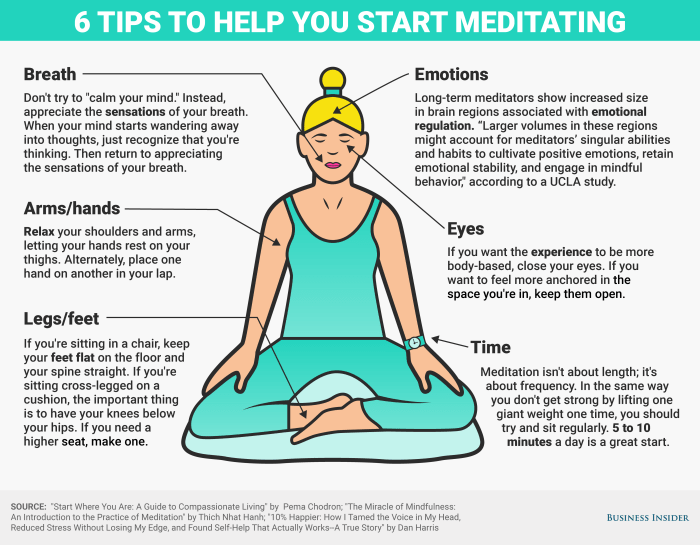
Mindfulness meditation is a practice that involves focusing one’s attention on the present moment without judgment. It is about being fully aware of your thoughts, feelings, sensations, and surroundings. This form of meditation helps cultivate a sense of inner peace, calmness, and clarity by training the mind to stay present and avoid getting caught up in worries about the past or future.
How to Practice Mindfulness Meditation
- Find a quiet and comfortable place to sit or lie down.
- Close your eyes and bring your attention to your breath. Notice the sensation of your breath as you inhale and exhale.
- When thoughts arise, gently acknowledge them without judgment and bring your focus back to your breath.
- You can also choose to focus on a specific sensation in your body, such as the rise and fall of your chest or the feeling of your feet on the ground.
- Practice this for a few minutes to start and gradually increase the duration as you become more comfortable with the practice.
Effects of Mindfulness Meditation on Emotional Well-being
Research has shown that mindfulness meditation can have a positive impact on emotional well-being by:
- Reducing stress and anxiety levels.
- Improving mood and overall sense of happiness.
- Enhancing emotional regulation and resilience.
- Increasing self-awareness and self-compassion.
- Strengthening the ability to cope with difficult emotions and situations.
Loving-Kindness Meditation
Loving-Kindness Meditation, also known as Metta Meditation, is a practice that involves cultivating feelings of love, compassion, and goodwill towards oneself and others. The main purpose of loving-kindness meditation is to promote emotional healing, reduce negative emotions such as anger and resentment, and increase feelings of empathy and connection with others.
Guided Loving-Kindness Meditation Script
To begin your loving-kindness meditation practice, find a comfortable and quiet space to sit or lie down. Close your eyes and take a few deep breaths to center yourself. Repeat the following phrases silently or out loud, focusing on the feelings they evoke:
“May I be happy. May I be healthy. May I be safe. May I live with ease.”
“May [person’s name] be happy. May [person’s name] be healthy. May [person’s name] be safe. May [person’s name] live with ease.”
“May all beings be happy. May all beings be healthy. May all beings be safe. May all beings live with ease.”
Continue to repeat these phrases for a few minutes, allowing yourself to really feel the emotions behind the words. You can then extend these feelings of loving-kindness to specific individuals, groups of people, and eventually to all sentient beings.
Benefits of Loving-Kindness Meditation, 8 Meditation Practices for Mental and Emotional Healing
- Promotes feelings of love, compassion, and empathy towards oneself and others.
- Reduces feelings of anger, resentment, and hostility.
- Enhances overall emotional well-being and mental health.
- Increases social connection and positive relationships with others.
- Helps cultivate a sense of inner peace and contentment.
Body Scan Meditation
Body scan meditation is a mindfulness practice that involves focusing on different parts of the body, one at a time, to bring awareness to physical sensations, thoughts, and emotions. This practice is often used to promote relaxation, reduce stress, and increase self-awareness.
Body Scan Meditation Practice Session
- Find a comfortable and quiet space where you can lie down or sit comfortably.
- Start by bringing your attention to your breath, taking a few deep breaths to center yourself.
- Begin to slowly scan your body from head to toe, noticing any sensations or areas of tension.
- As you focus on each body part, try to release any tension or tightness you may be holding.
- Continue this process, moving through each part of your body with curiosity and without judgment.
- Finish the practice by taking a few more deep breaths and gently bringing your awareness back to the present moment.
How Body Scan Meditation Helps Release Emotional Tension
Body scan meditation can help release emotional tension by allowing individuals to become more aware of the physical sensations associated with their emotions. By bringing attention to areas of discomfort or tightness in the body, individuals can begin to recognize and release emotional blockages that may be contributing to stress or anxiety. This practice encourages a mind-body connection, promoting relaxation and emotional healing.
Visualization Meditation
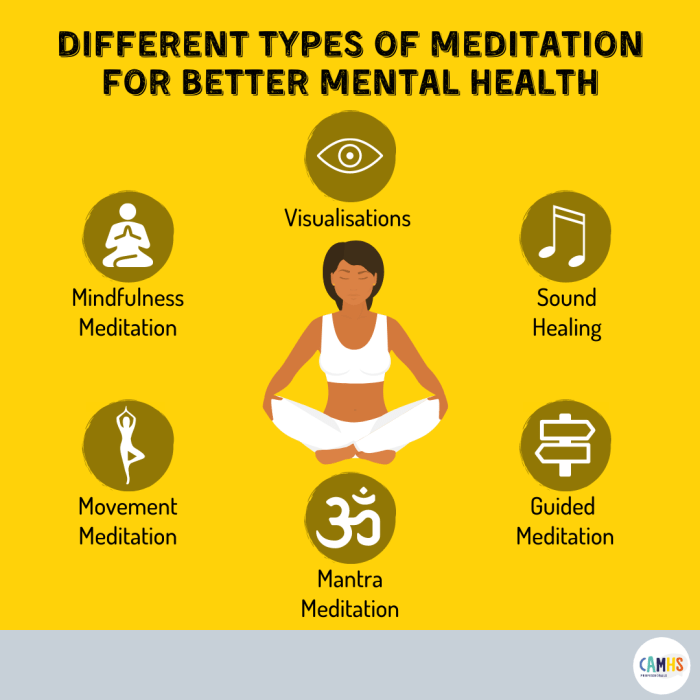
Visualization meditation is a technique where individuals focus on creating mental images to achieve a specific outcome. By visualizing a desired scenario or outcome, practitioners aim to manifest positive changes in their emotions, thoughts, and overall well-being. This practice is often used for emotional healing, stress reduction, and personal growth.
Examples of Visualization Techniques for Emotional Healing
- Guided Imagery: Practitioners imagine themselves in a peaceful and calming environment, such as a serene beach or a lush forest, to evoke feelings of relaxation and tranquility.
- Future Self Visualization: Individuals visualize their ideal future selves, focusing on traits like confidence, resilience, and contentment. This technique helps in building a positive self-image and fostering self-compassion.
- Healing Light Visualization: Practitioners visualize a warm, healing light enveloping their body, soothing any emotional wounds or pain. This technique is effective in releasing negative emotions and promoting inner peace.
Tips to Enhance the Effectiveness of Visualization Meditation
- Practice Regularly: Consistent practice is key to harnessing the full benefits of visualization meditation. Set aside dedicated time each day to engage in this practice.
- Engage All Senses: To make visualizations more vivid and impactful, involve all five senses in your mental imagery. Feel, hear, smell, and even taste the imagined scenario to enhance its realism.
- Stay Positive: Focus on visualizing positive outcomes and emotions during your practice. This optimistic approach can help reframe negative thought patterns and cultivate a more optimistic mindset.
Walking Meditation
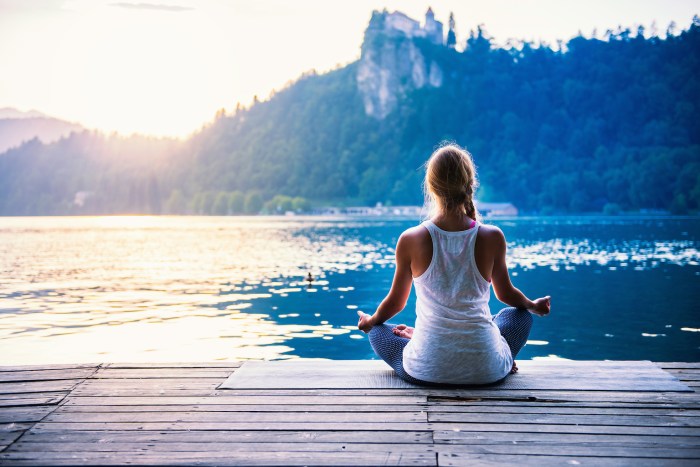
Walking meditation is a mindfulness practice that involves focusing on the act of walking itself, paying attention to each step and the sensations experienced during the movement. It is a form of meditation that can be done both indoors and outdoors, at a slow and deliberate pace.
Benefits of Walking Meditation
- Improved focus and concentration: By bringing awareness to each step taken, walking meditation helps to anchor the mind in the present moment, enhancing focus and concentration.
- Reduced stress and anxiety: Engaging in walking meditation can help calm the mind and reduce feelings of stress and anxiety, promoting a sense of peace and relaxation.
- Physical exercise: Walking is a gentle form of exercise that can improve physical health, boost mood, and increase energy levels.
- Connection with nature: Practicing walking meditation outdoors allows for a deeper connection with nature, fostering a sense of grounding and tranquility.
How to Perform Walking Meditation Effectively
To practice walking meditation effectively, follow these steps:
- Find a quiet and safe place to walk, either indoors or outdoors.
- Begin by standing still and taking a few deep breaths to center yourself.
- Start walking at a slow and natural pace, paying attention to each step you take.
- Focus on the sensations in your feet as they make contact with the ground, the movement of your legs, and the rhythm of your breath.
- If your mind starts to wander, gently bring your attention back to the sensations of walking.
- Continue walking mindfully for a period of time that feels comfortable to you, whether it’s a few minutes or longer.
- When you’re ready to end your walking meditation, gradually slow down and come to a stop, taking a moment to notice how you feel before resuming your daily activities.
Mantra Meditation

Mantra meditation is a powerful technique that involves repeating a specific phrase or sound to focus the mind and cultivate inner peace. The use of mantras dates back thousands of years and is rooted in various spiritual traditions. By chanting mantras, individuals can create a sense of calmness and connection with their inner selves.
Popular Mantras for Emotional Healing
- Om Shanti: This mantra translates to “peace for all things.” Chanting this mantra can help bring about a sense of tranquility and harmony within oneself.
- So Hum: This mantra means “I am that.” By repeating this mantra, individuals can affirm their connection to the universe and foster a sense of unity.
- Lokah Samastah Sukhino Bhavantu: This Sanskrit mantra translates to “may all beings everywhere be happy and free.” Chanting this mantra promotes compassion and empathy towards others.
Positive Impact on Mental Well-being
Chanting mantras can have a profound impact on mental well-being by helping individuals shift their focus from negative thoughts to positive affirmations. The repetitive nature of chanting can calm the mind, reduce stress, and increase feelings of peace and contentment. Additionally, mantras can create a sense of connection to something greater than oneself, fostering a deeper sense of purpose and spirituality.
Breathwork Meditation: 8 Meditation Practices For Mental And Emotional Healing
Breathwork meditation involves focusing on the breath to calm the mind, reduce stress, and promote emotional healing. By bringing awareness to the breath, individuals can cultivate a sense of inner peace and mindfulness.
Breathing Exercises for Beginners
- Diaphragmatic Breathing: Place one hand on the chest and the other on the abdomen. Inhale deeply through the nose, expanding the diaphragm and feeling the abdomen rise. Exhale slowly through the mouth, feeling the abdomen fall.
- 4-7-8 Breathing: Inhale through the nose for a count of 4, hold the breath for a count of 7, and exhale through the mouth for a count of 8. Repeat this cycle several times.
- Nadi Shodhana (Alternate Nostril Breathing): Close the right nostril with the thumb and inhale through the left nostril. Close the left nostril with the ring finger, release the right nostril, and exhale. Repeat on the other side.
Role of Breathwork in Reducing Stress and Anxiety
Breathwork meditation is a powerful tool in reducing stress and anxiety levels by activating the body’s relaxation response. When individuals focus on deep, intentional breathing, they can calm the nervous system, lower cortisol levels, and promote a sense of calm and well-being. Regular practice of breathwork meditation can help individuals manage their stress more effectively and cultivate emotional resilience.
End of Discussion
As we conclude this enlightening exploration of 8 Meditation Practices for Mental and Emotional Healing, remember that the key to a balanced mind and spirit lies in the consistent practice of these transformative techniques. Embrace these practices and witness the profound impact they can have on your overall wellness.