Kicking off with 10 Ways to Use Meditation for Better Decision-Making, this guide dives into how meditation can sharpen your decision-making skills and lead you towards more thoughtful choices. From enhancing focus to fostering creativity, meditation offers a powerful tool for improving your decision-making process.
Benefits of Meditation for Decision-Making
Meditation is not only beneficial for reducing stress and improving overall well-being, but it can also significantly enhance our decision-making skills. By practicing meditation regularly, individuals can experience improved focus and clarity, allowing them to make better decisions in various aspects of their lives.
Enhanced Focus and Clarity
Meditation helps individuals calm their minds and eliminate distractions, leading to enhanced focus and clarity. This mental clarity enables individuals to analyze situations more objectively and make decisions that are not clouded by emotions or external influences.
Examples of Successful Individuals
Many successful individuals credit their strong decision-making skills to their regular meditation practice. For example, Ray Dalio, the founder of Bridgewater Associates, one of the world’s largest hedge funds, attributes his success in the financial industry to his daily meditation routine. By staying mindful and focused, Dalio is able to make calculated decisions that have propelled his career forward.
Mindfulness Reducing Impulsivity, 10 Ways to Use Meditation for Better Decision-Making
Mindfulness, cultivated through meditation, can significantly reduce impulsivity in decision-making. By being more present in the moment and aware of their thoughts and emotions, individuals can avoid making hasty decisions based on fleeting feelings. This increased self-awareness allows for a more thoughtful and rational approach to decision-making, leading to better outcomes in the long run.
Techniques to Incorporate Meditation into Decision-Making

Meditation can play a significant role in improving decision-making by enhancing focus, reducing stress, and promoting clarity of mind. Here are some step-by-step techniques to incorporate meditation into your decision-making process:
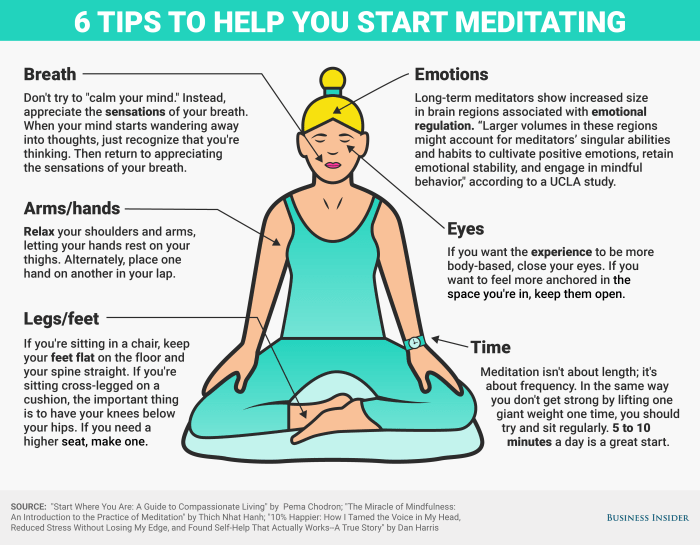
1. Mindfulness Meditation
- Find a quiet and comfortable place to sit or lie down.
- Focus on your breath, observing the inhalation and exhalation without judgment.
- When distractions arise, gently bring your focus back to your breath.
- Practice this for a few minutes daily to improve your ability to stay present and focused during decision-making.
2. Loving-Kindness Meditation
- Sit comfortably and close your eyes, bringing to mind someone you care about deeply.
- Repeat phrases of love and compassion towards yourself and the person in your mind.
- Extend these feelings of kindness to others, including those involved in the decision-making process.
- By cultivating compassion and empathy through this practice, you can make decisions that are more considerate and thoughtful.
3. Transcendental Meditation vs. Vipassana Meditation
- Transcendental Meditation involves the use of a mantra to transcend thought and reach a state of pure awareness.
- Vipassana Meditation, on the other hand, focuses on observing sensations in the body to develop insight and mindfulness.
- While Transcendental Meditation can help clear the mind for decision-making, Vipassana Meditation enhances self-awareness and emotional regulation.
- Choose the meditation style that aligns best with your goals for decision-making improvement.
Mindfulness Meditation for Strategic Decision-Making

Mindfulness meditation plays a crucial role in enhancing strategic decision-making by promoting clarity, focus, and emotional regulation. This practice involves being fully present in the moment, which can help executives and professionals make more informed and effective decisions in the long run.
Reducing Stress and Anxiety for Better Decision-Making
- Mindfulness meditation helps individuals reduce stress and anxiety levels, which are common barriers to clear thinking and rational decision-making.
- By cultivating mindfulness, professionals can learn to stay calm and composed under pressure, enabling them to make strategic decisions without being overwhelmed by emotions.
- Regular practice of mindfulness meditation can lead to improved mental clarity and the ability to assess situations more objectively, resulting in better long-term strategic planning.
Designing a Meditation Routine for Executives
- Executives can benefit from incorporating mindfulness meditation into their daily routine by setting aside dedicated time for practice, such as early mornings or before important meetings.
- A typical meditation session for professionals may involve focusing on the breath, body sensations, or specific thoughts related to upcoming decisions, helping to enhance mental resilience and decision-making skills.
- Integrating mindfulness practices into daily activities, such as mindful walking or eating, can further reinforce the benefits of meditation and support strategic decision-making in various professional settings.
Meditation as a Tool for Emotional Intelligence in Decision-Making

Meditation plays a crucial role in enhancing emotional intelligence, which is essential for making sound decisions. By cultivating emotional awareness and regulation through meditation, individuals can improve their ability to empathize with others and make rational choices based on logic rather than emotions.
Boosting Emotional Intelligence
- Meditation helps individuals become more in tune with their emotions, allowing them to recognize and understand their feelings better.
- By regularly practicing meditation, individuals can develop greater empathy towards others, leading to more compassionate and considerate decision-making.
- Emotional intelligence gained through meditation enables individuals to navigate challenging situations with a calm and composed mindset, avoiding impulsive or reactive decisions.
Preventing Biased Decision-Making
- Through meditation, individuals can learn to observe their thoughts and emotions without judgment, reducing the influence of biases in decision-making processes.
- Emotional regulation techniques in meditation help individuals detach from personal biases and prejudices, leading to more objective and fair decisions.
- By cultivating mindfulness through meditation, individuals can become more aware of their cognitive biases and work towards overcoming them for better decision-making outcomes.
Enhancing Self-Awareness
- Practicing mindfulness meditation allows individuals to develop a deeper sense of self-awareness, understanding their strengths, weaknesses, and triggers that may impact their decisions.
- Self-awareness gained through meditation enables individuals to reflect on their values, beliefs, and motivations, guiding them towards decisions aligned with their authentic selves.
- By enhancing self-awareness, individuals can make conscious choices that are in line with their long-term goals and values, fostering a sense of fulfillment and purpose in decision-making.
Meditation Practices to Foster Creativity in Decision-Making: 10 Ways To Use Meditation For Better Decision-Making
Meditation can be a powerful tool to enhance creativity and innovative thinking when faced with complex decision-making scenarios. By calming the mind and promoting focus, meditation can help individuals tap into their creative potential and generate fresh ideas to tackle difficult problems.
Exercises to Enhance Divergent Thinking
- Visualization Meditation: Encourage individuals to visualize different outcomes or possibilities related to the decision at hand. This can help expand thinking beyond conventional boundaries.
- Free-Writing Meditation: Set a timer and allow individuals to write down any thoughts or ideas that come to mind without judgment. This exercise can unlock new perspectives and insights.
- Walking Meditation: Suggest taking a mindful walk while focusing on the present moment. Physical movement can stimulate creativity and encourage out-of-the-box thinking.
Mindfulness for Breaking Mental Blocks
- Body Scan Meditation: Guide individuals to scan their body from head to toe, releasing tension and promoting relaxation. This can clear the mind of distractions and allow for fresh ideas to emerge.
- Breath Awareness Meditation: Encourage focusing on the breath to cultivate mindfulness and present moment awareness. This practice can help individuals let go of limiting beliefs and thought patterns.
- Loving-Kindness Meditation: Foster compassion and open-mindedness by sending positive intentions to oneself and others. This practice can create a positive mindset conducive to creative problem-solving.
Closure

In conclusion, integrating meditation into your daily routine can significantly impact your ability to make better decisions. By incorporating mindfulness practices, you can enhance your focus, reduce impulsivity, and cultivate emotional intelligence, ultimately leading to more strategic and creative decision-making. Start your meditation journey today and witness the positive changes it can bring to your decision-making process.